Lone Tree Remembered
Lone Tree Remembered
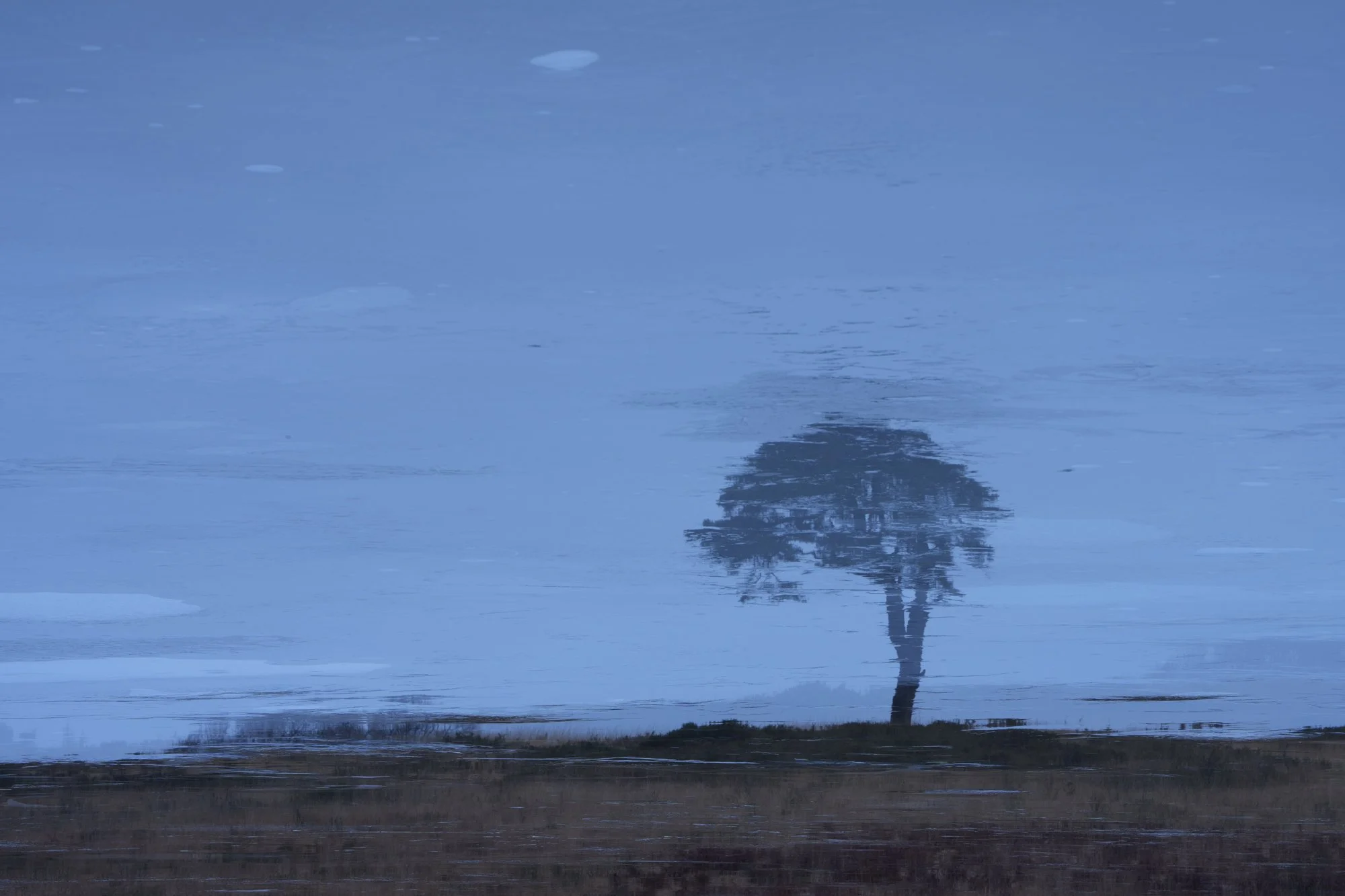
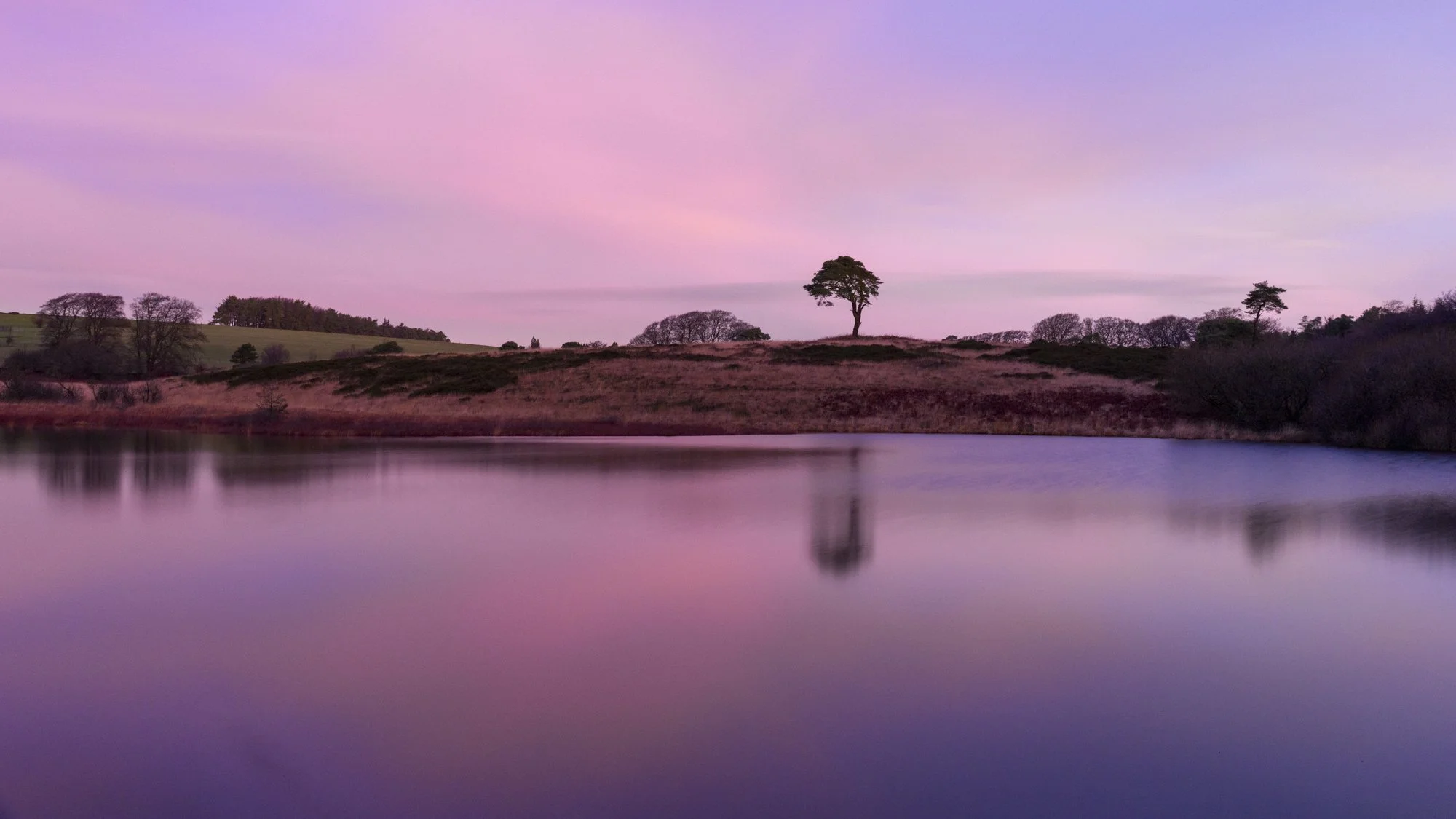
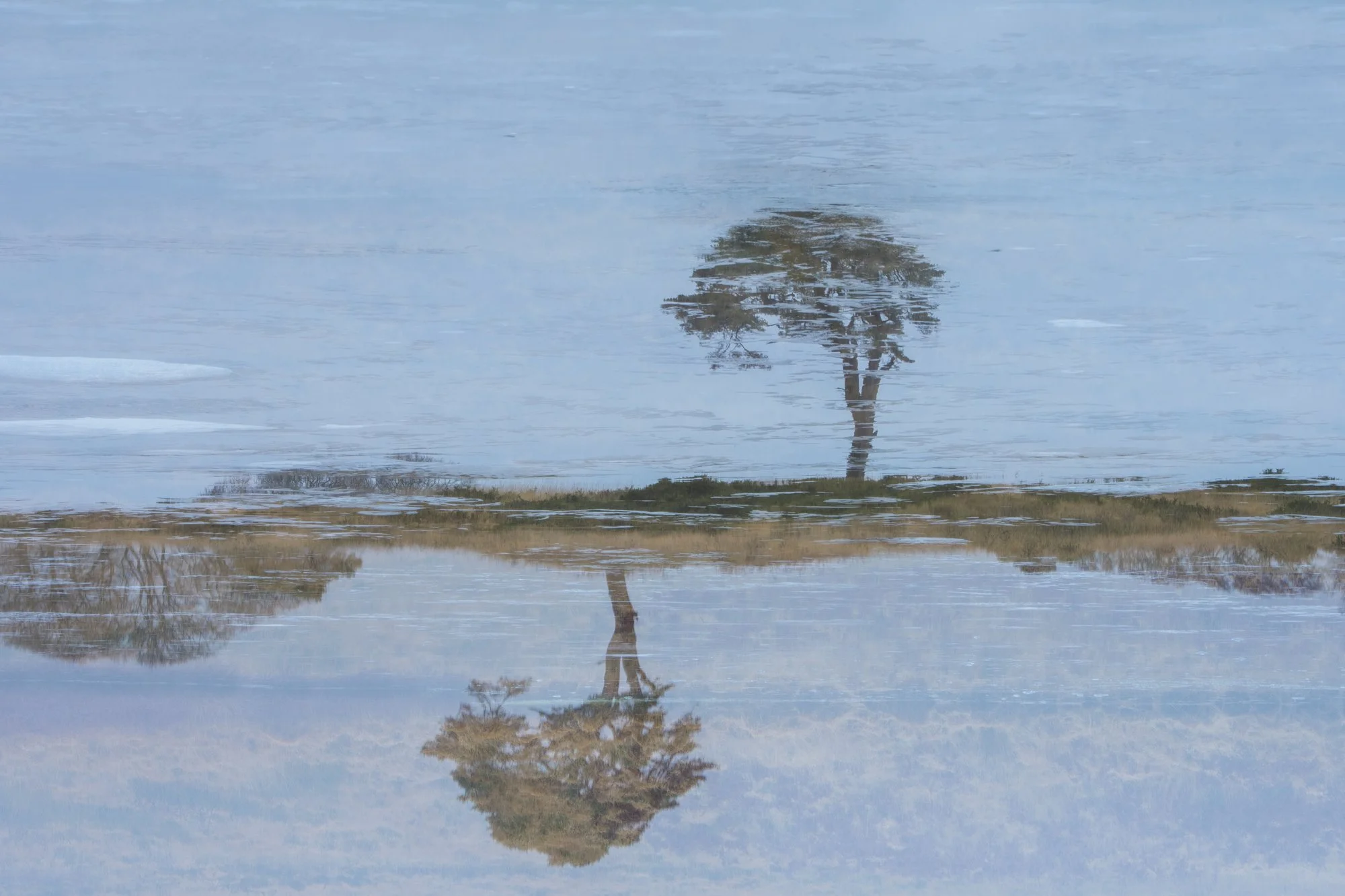
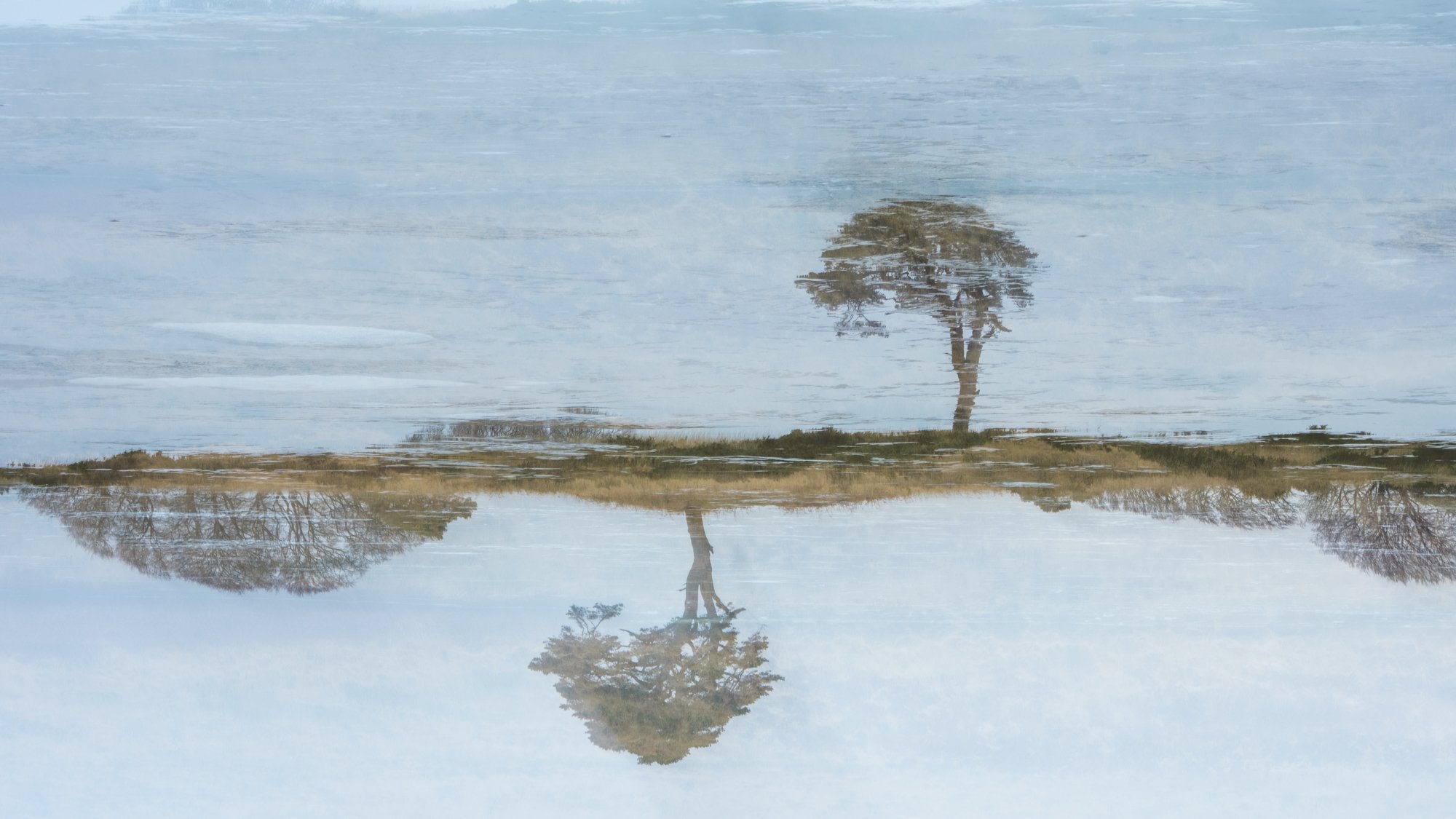
A lone Scots pine stands.
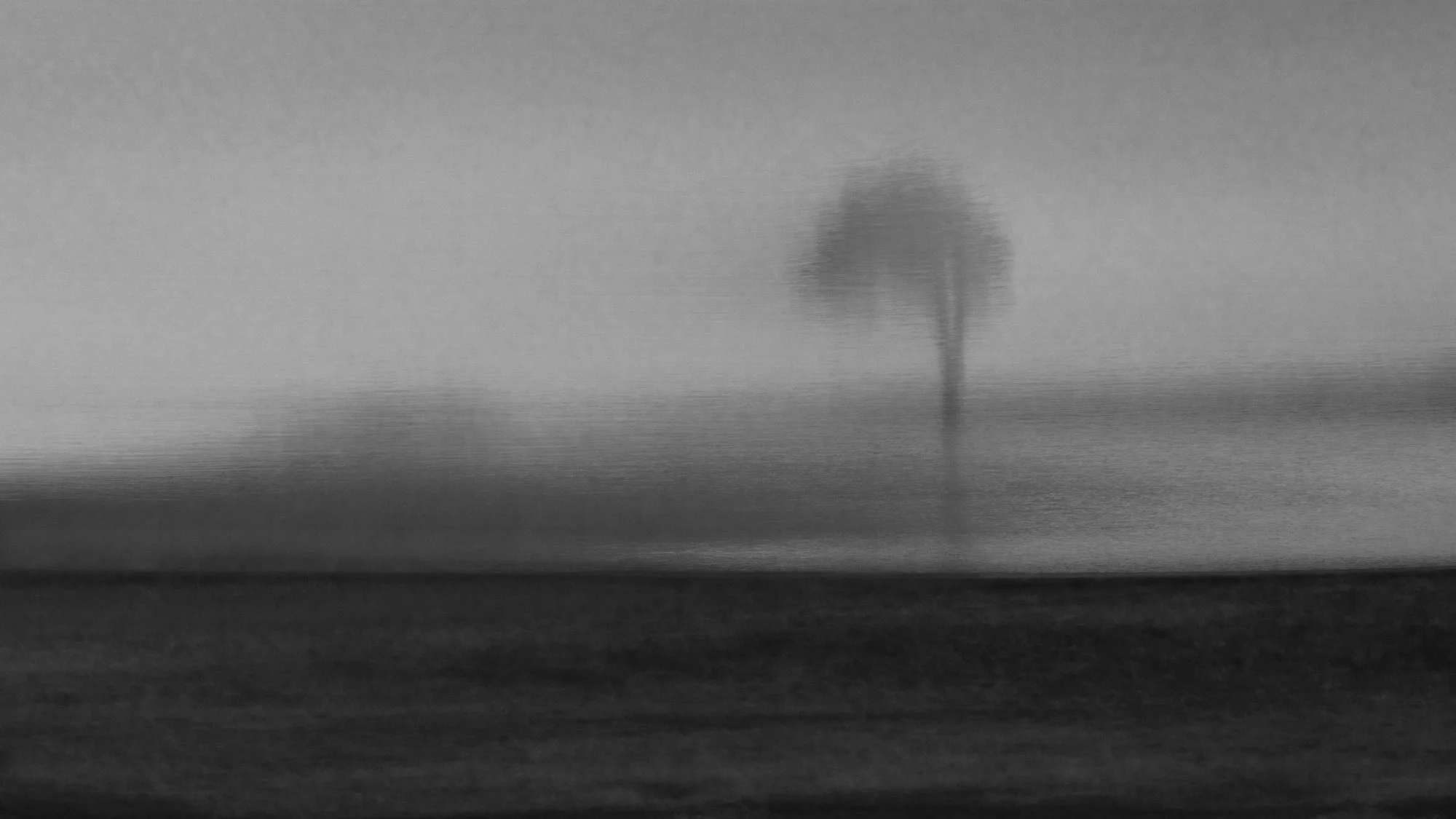
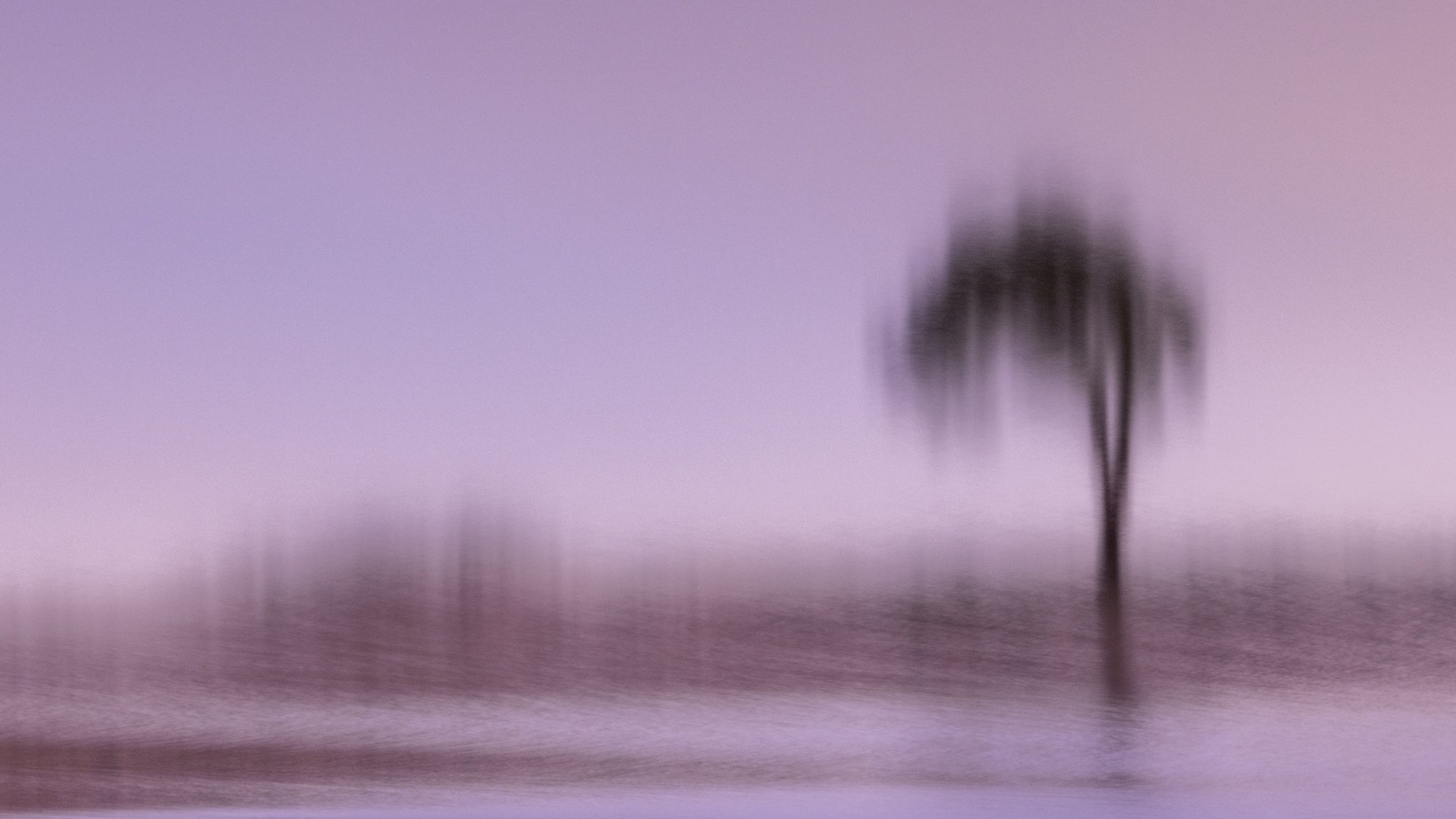
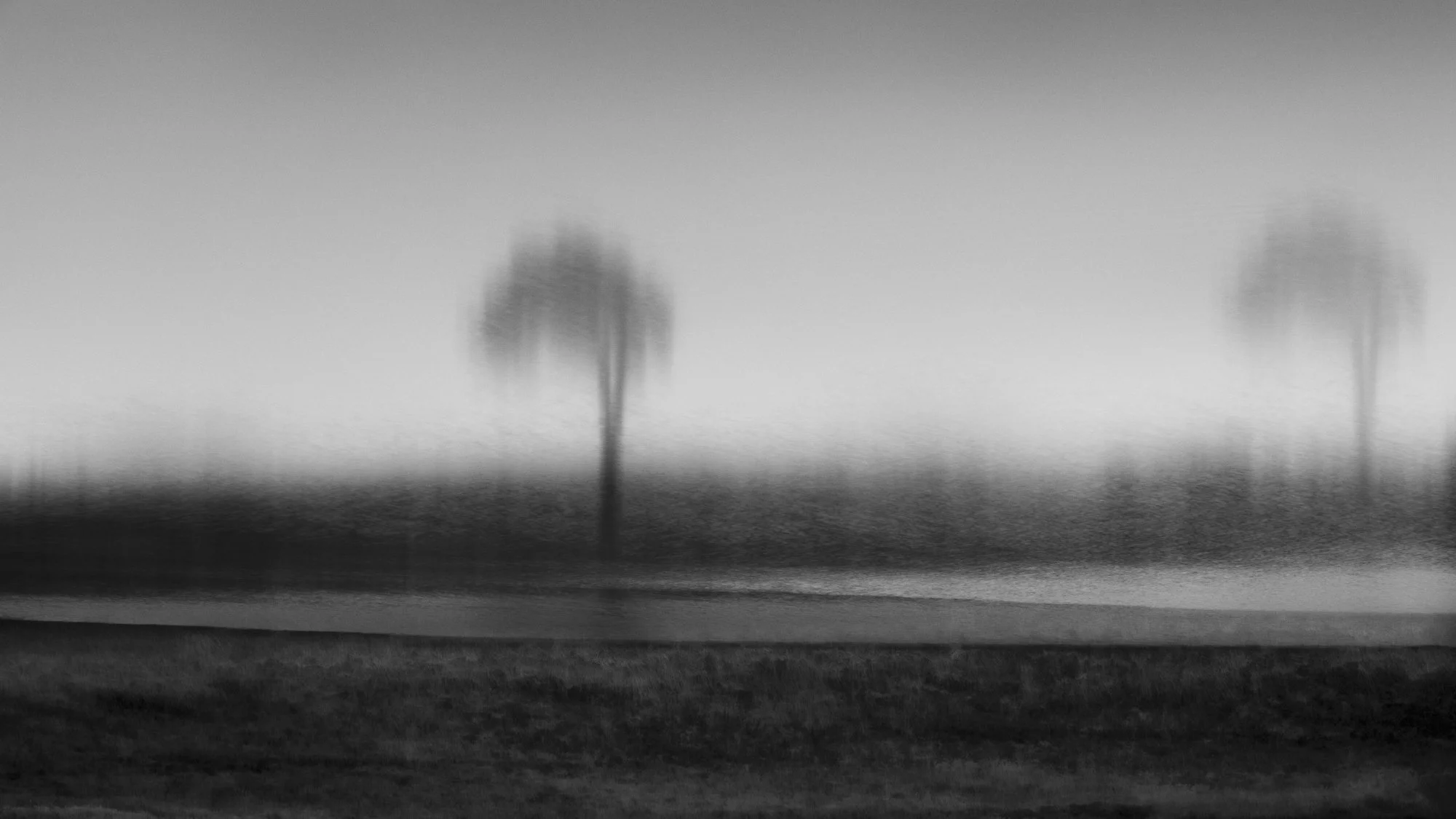
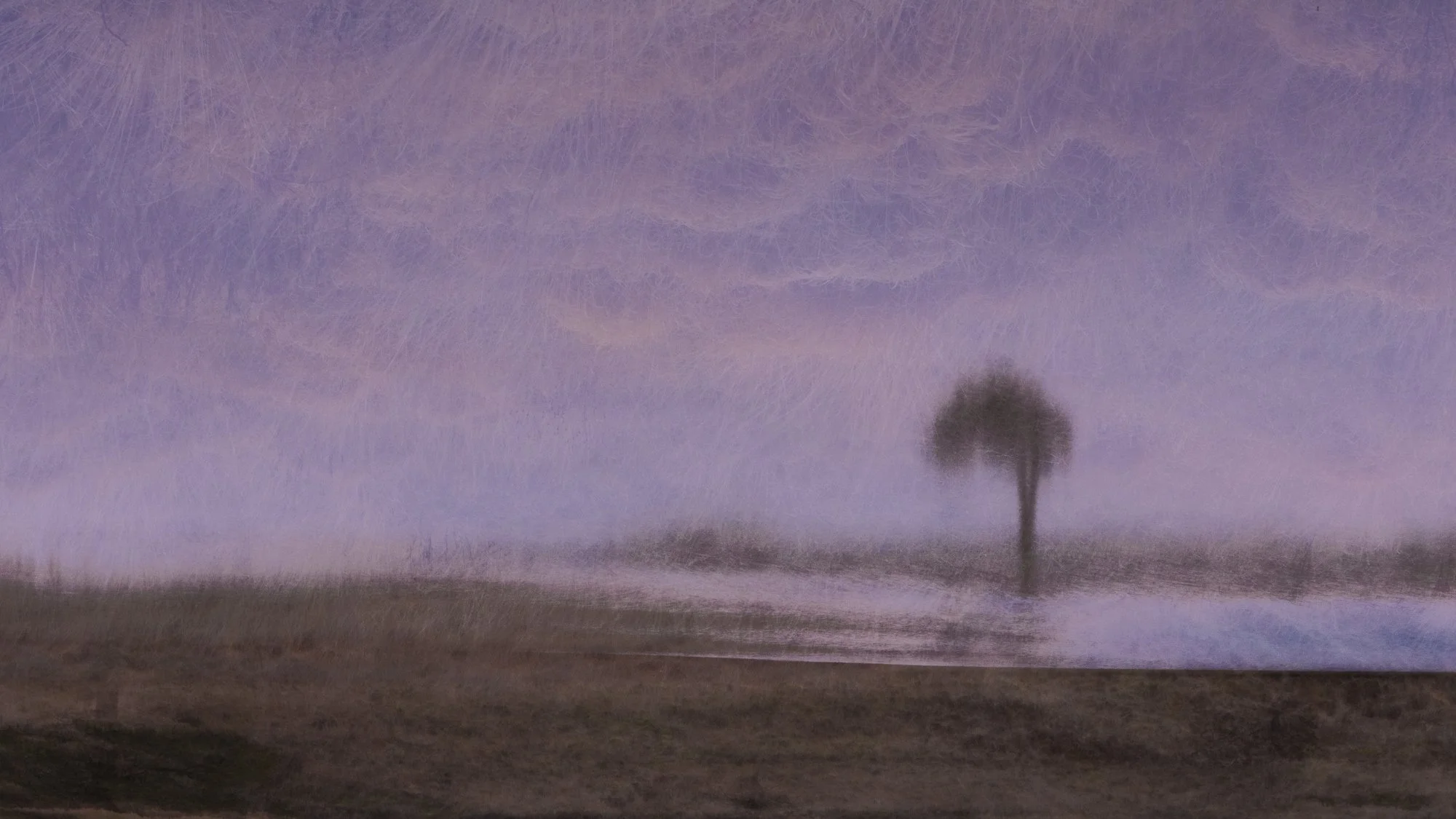
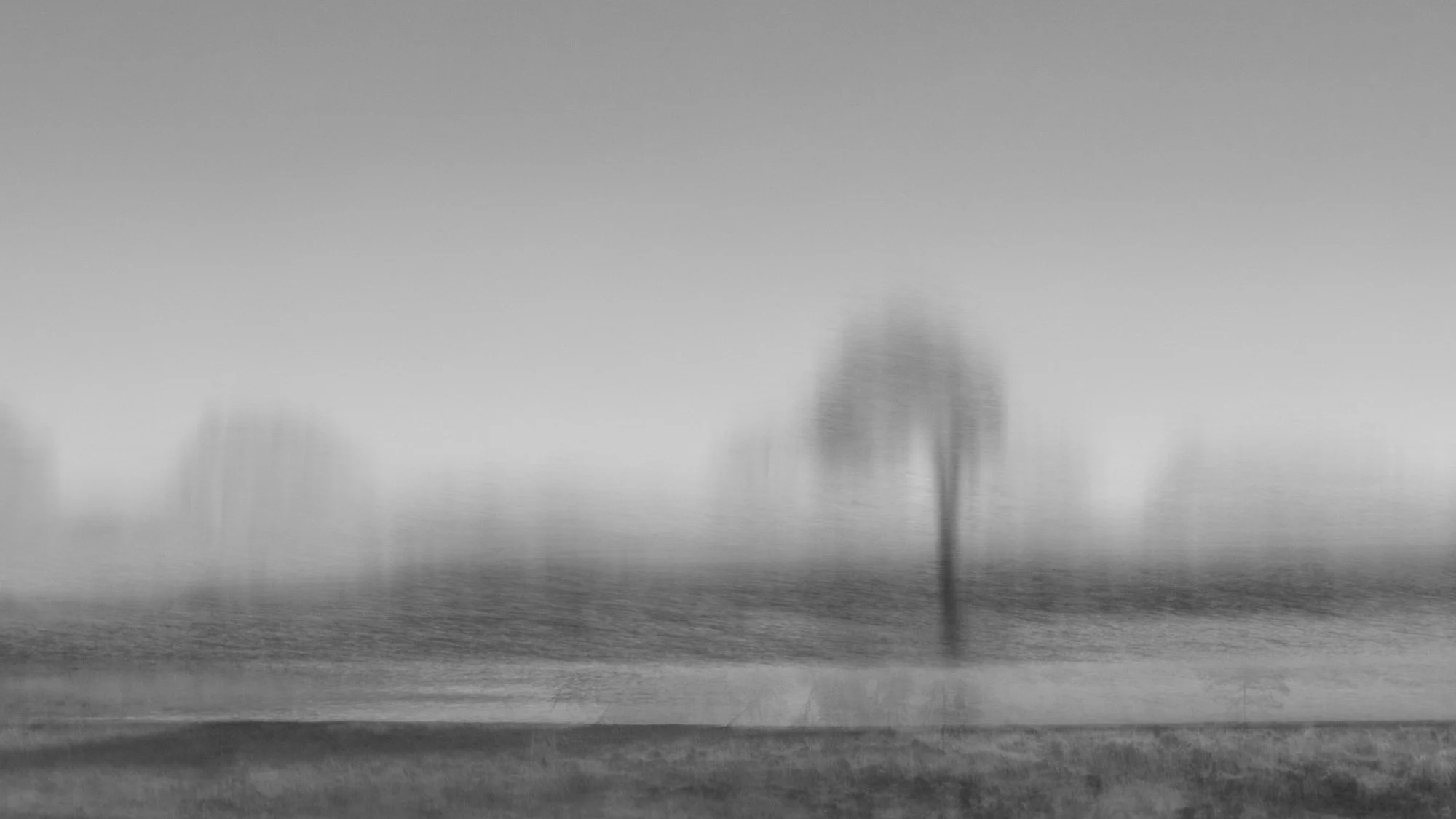
The tree itself I do not photograph. I photograph what is left of it when the conversation is over. The pine above the water presents itself in full detail — bark texture, needle clusters, the architecture of each branch. This is the tree as document. It is not the tree I carry away. The reflection is. This is my memory. Memory strips the incidental. Releases the grip on detail. Holds only what matters. Here the inversion goes further.
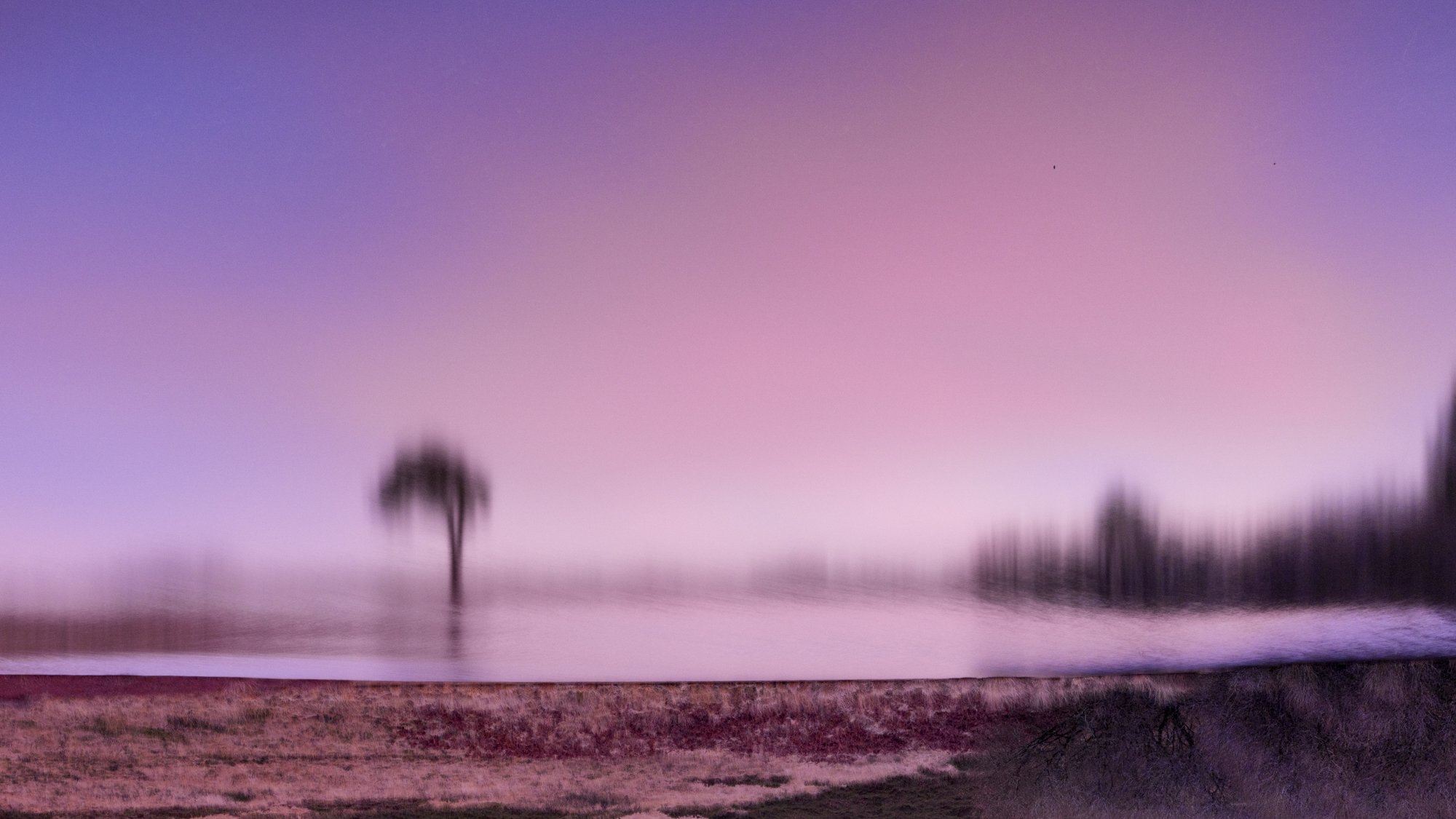
The memory is incomplete — a copse on the bank does not return in the water — a second tree, bearing witness, observing and shadowing the first — a forest looking on — grasses becoming clouds. These are not corruptions of the scene. They are the structure of what I hold. We mistake information for intimacy, detail for knowing. But remember someone you love. You do not see the texture of skin, the architecture of bone. You see them without edges, because you see what you feel. The same is true of how we hold our memories of others — when our hold begins to loosen. Large strokes only, the figure preserved but the surrounding detail receding, the same figure returning at different times under different colours of feeling. Once, on a clear afternoon, the place revealed itself fully. The tree, the water, the ground, the air — all present, all themselves, no inversion. A single photograph belongs to that moment. The others do not.
All images are single in-camera exposures. Some hold two scenes within one frame.
The tree still stands. I return, and the water returns it to me — not as it appears, but as I know it to be.