Thresholds II


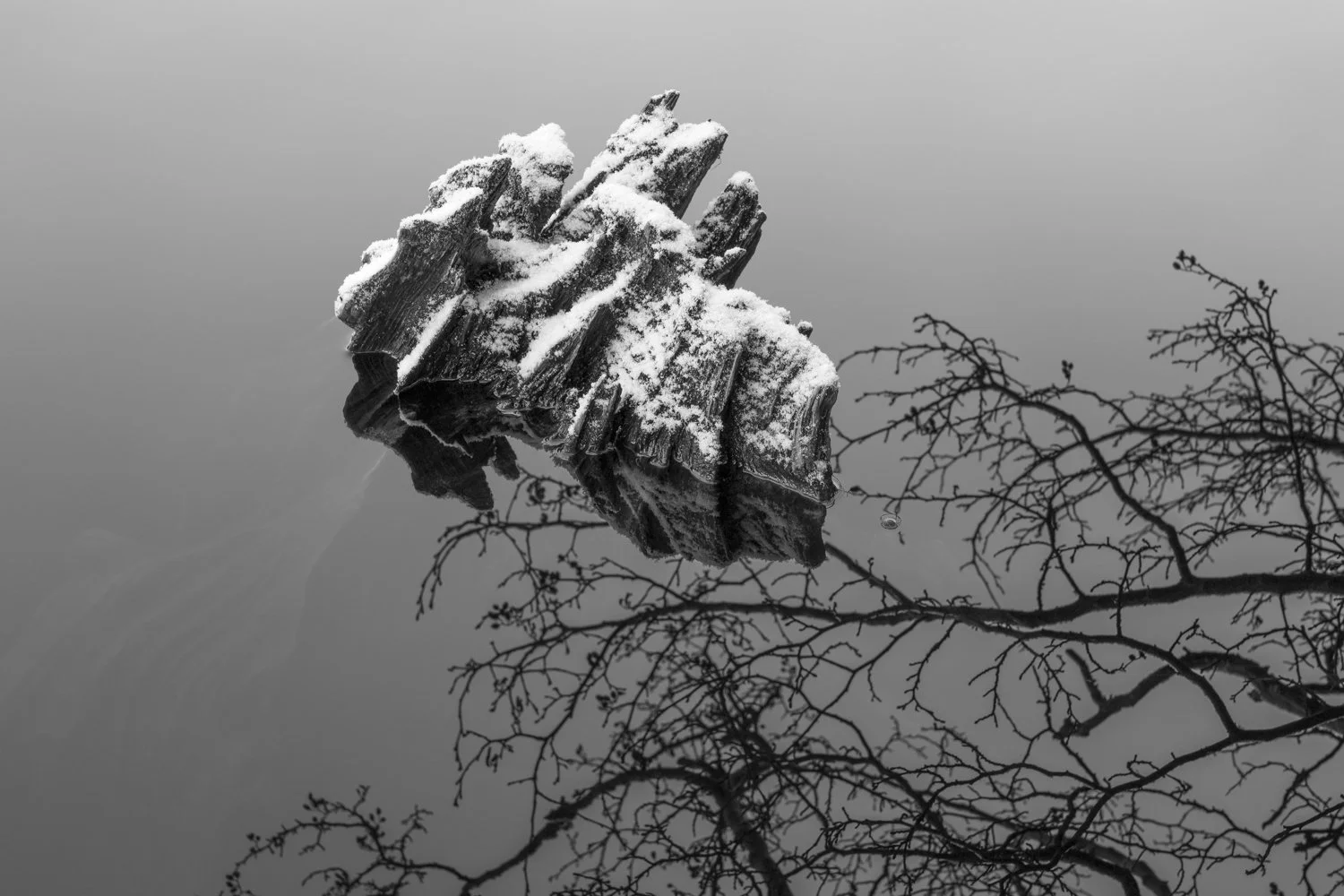
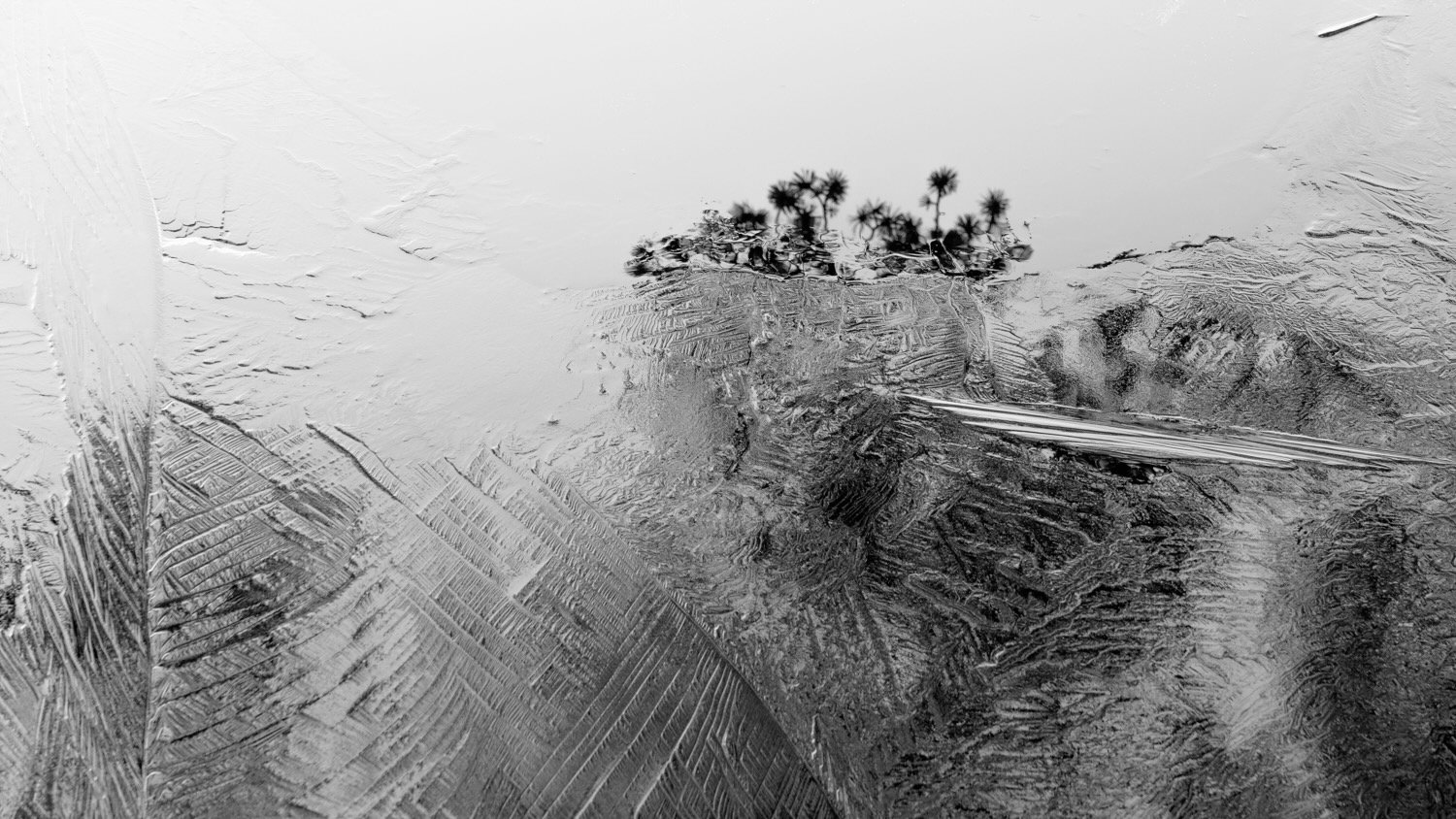
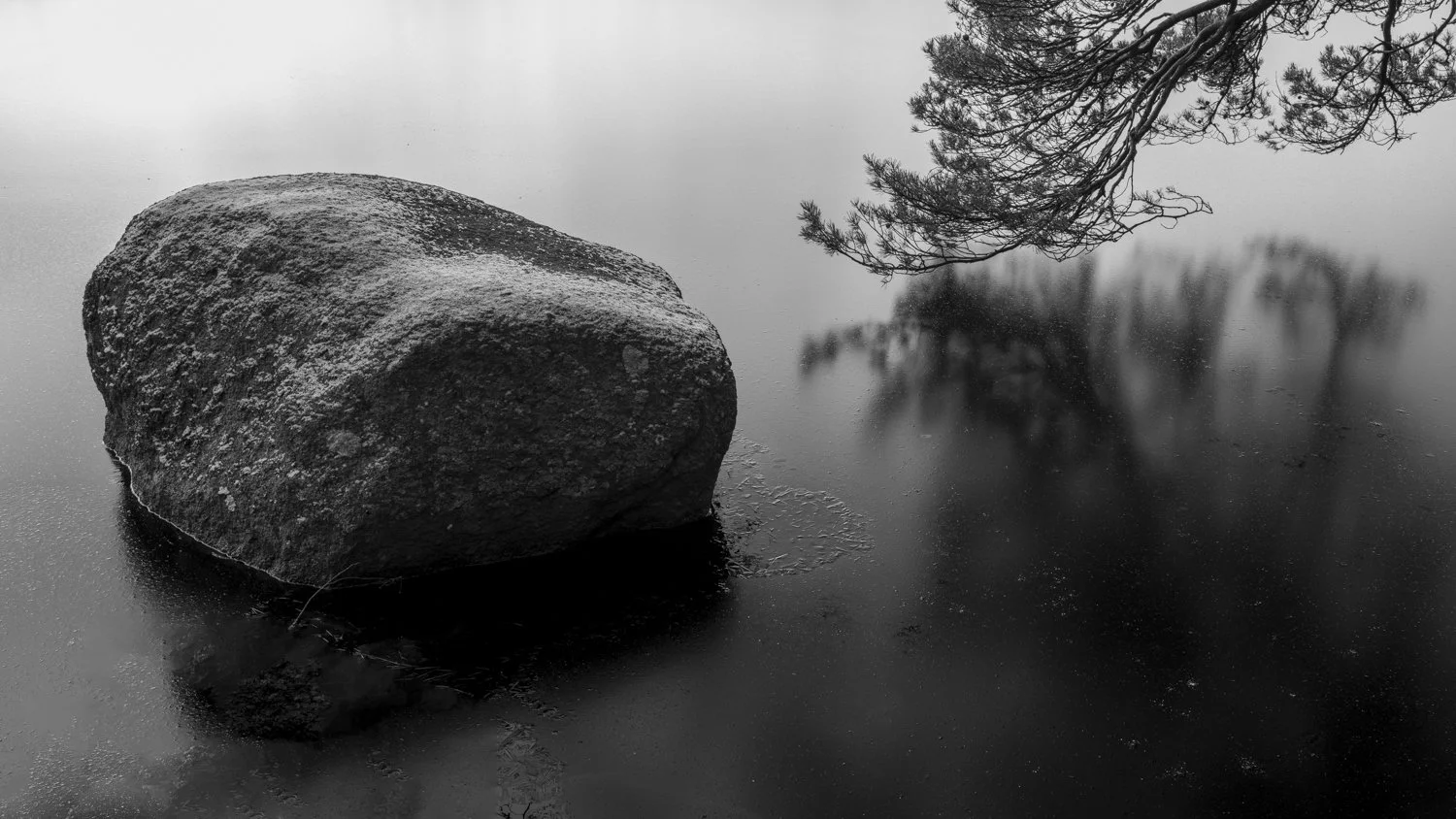
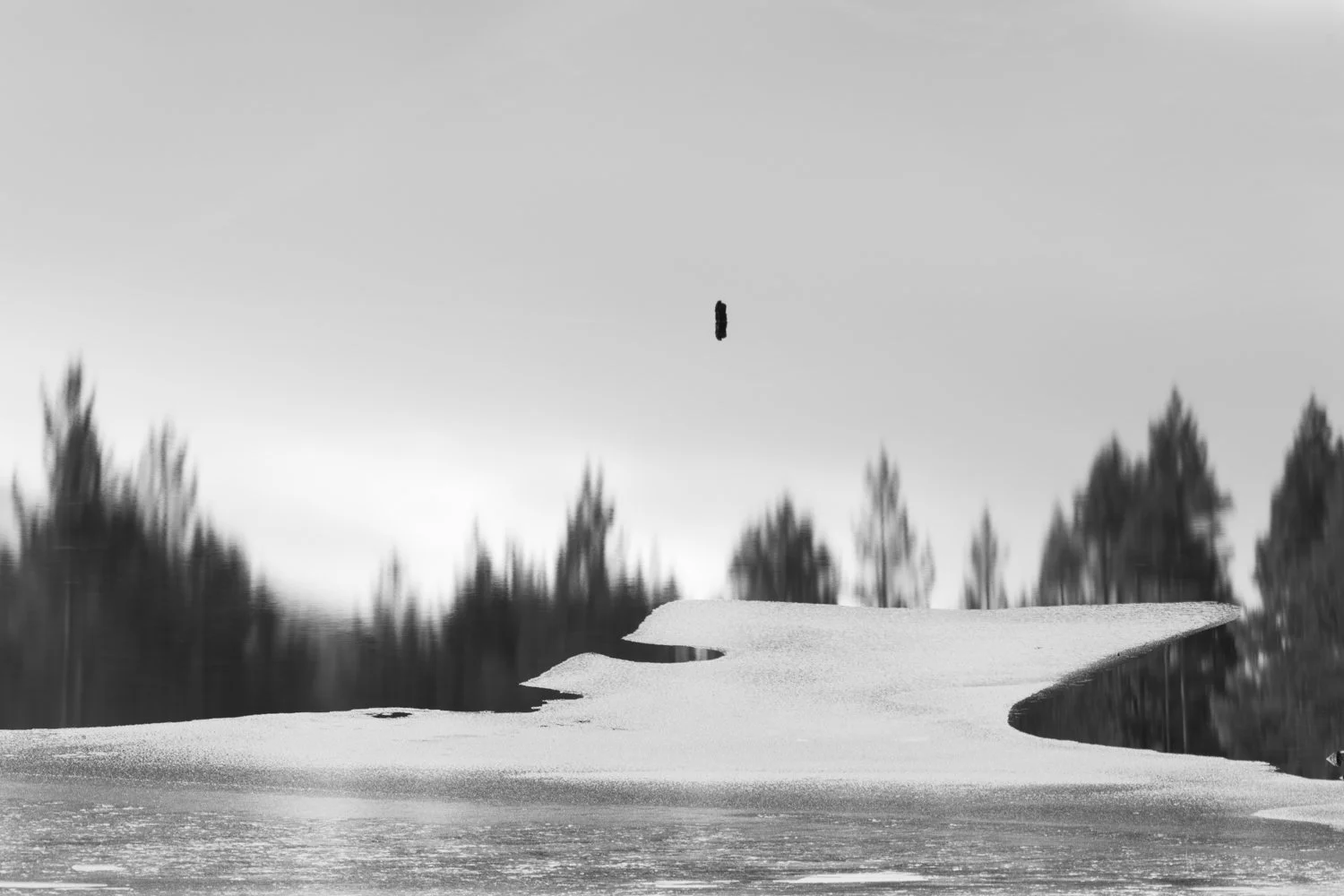
To gaze into still winter water is to lose footing. The surface holds, yet below it a second world gathers from cast-offs of the first: drowned branches, dissolved reflections, forms suspended between states.

These photographs emerged from repeated visits to Loch an Eilein during the low season, when the landscape strips to essentials: water, stone, wood, ice, and a northern light that seldom lingers. Working close with the camera, at intimate scale and slow pace, I returned to the same shoreline not to catalogue it but to witness its gradual estrangement.

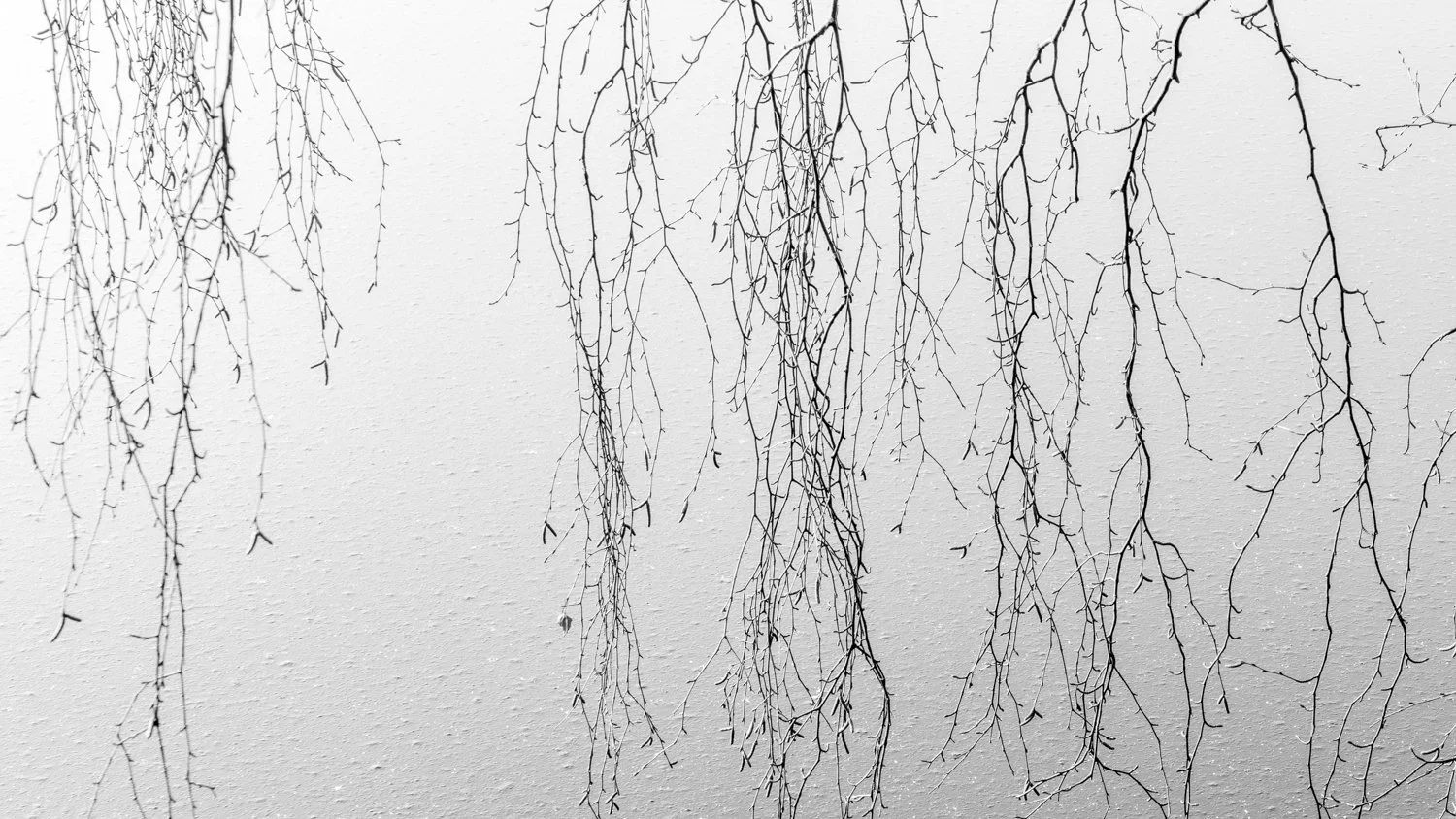
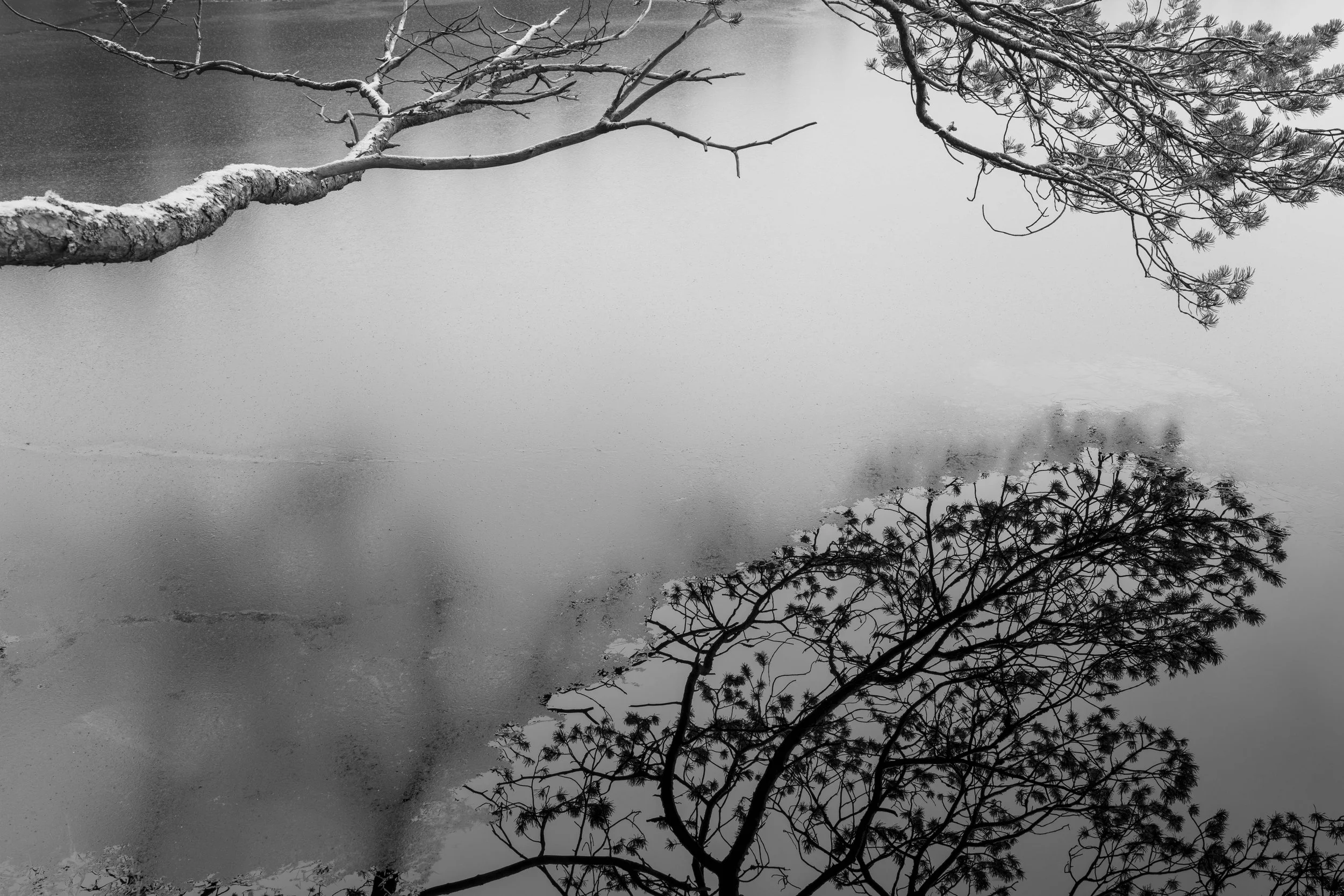
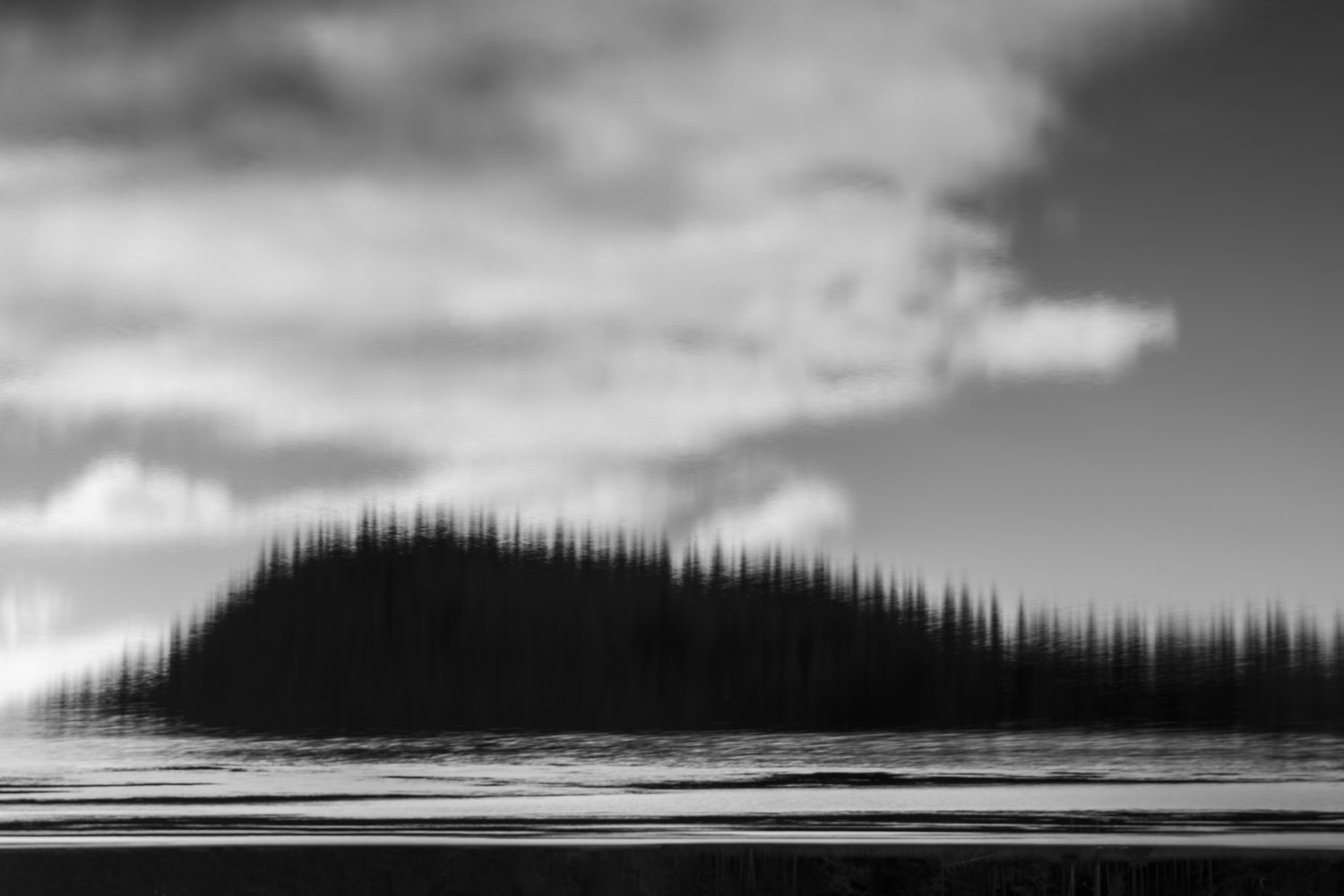
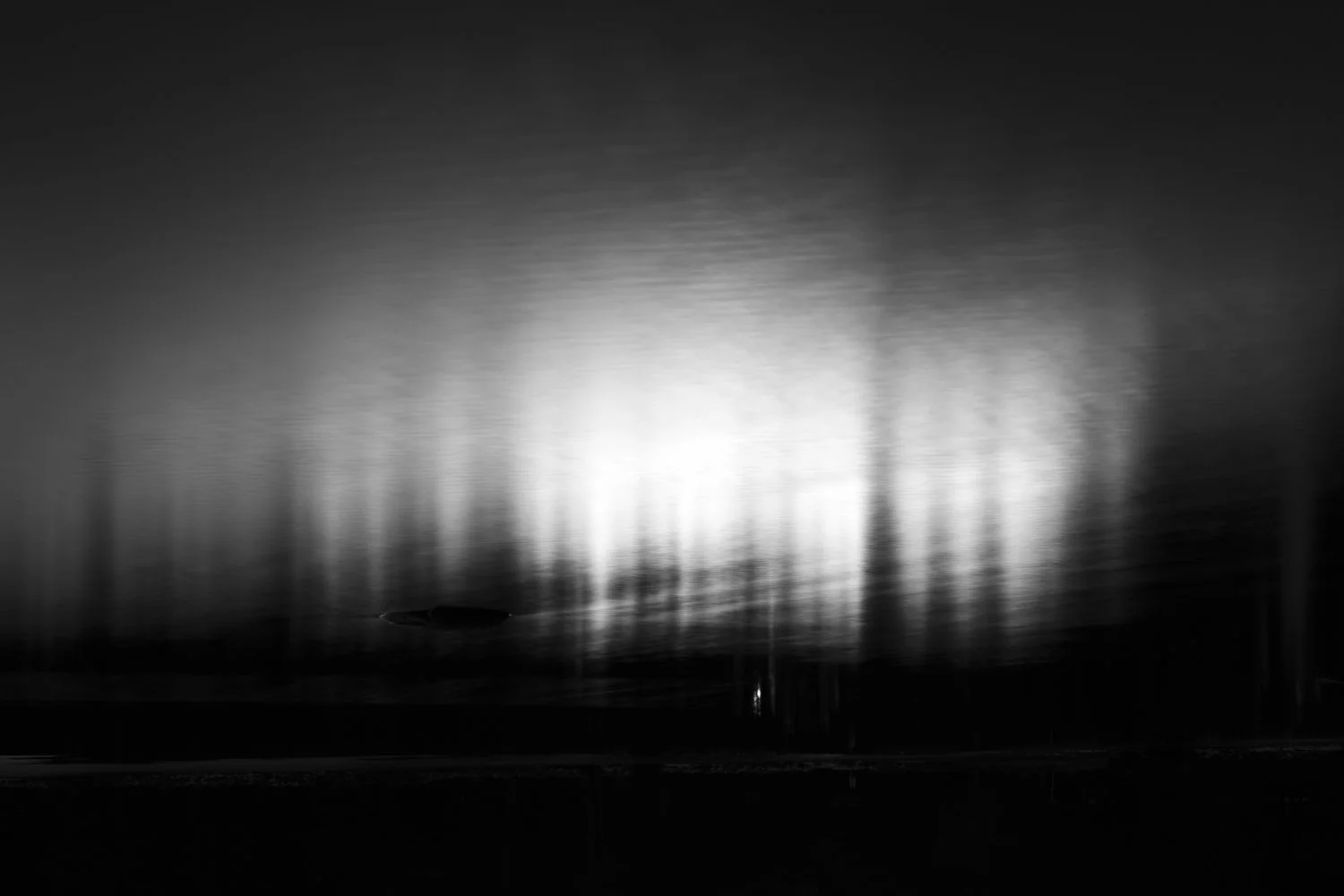
By “thresholds” I mean those unstable intervals where one state shifts into another: water into mirror, mirror into opacity; landscape into abstraction, abstraction back into place. Water is the protagonist, though never merely itself. It mirrors and obscures, freezes and dissolves—holding a branch in mid-fall while erasing a mountain in reflection. Sometimes it returns the loch with startling clarity; other times it withdraws, offering almost nothing. The work inhabits the widening, unreliable space between access and refusal.

When the loch freezes, flux becomes legible. Ice fixes what liquid lets pass: crystalline geometries, trapped reflections, fracture lines that read like drawings. To photograph these surfaces is to capture duration made visible—the instant motion was stilled in a form that will not endure. In a landscape where winter itself is becoming less predictable in its arrivals and departures, such freezing carries new weight. The photographs do not argue this; they are made in its quiet awareness.

Not every frame grants easy passage. Some are obstructed—bare branches crowding the view, tangling between eye and water—demanding effortful looking. These too are thresholds: moments when the landscape sets its own terms and attention must recalibrate. When openness returns—a clear plane of ice, a coherent reflection—it arrives earned.

The series moves from monochrome into colour as event rather than ornament. Much of the work compresses into silver and grey, blurring distinctions between water, sky, stone, and ice. Colour enters as temperature: the faint warmth of a twilight cloud in reflection, the sharp blue of a frozen edge at dusk. The closing image—a lone bare tree against an open sky where amber and slate-blue contend—reintroduces a lyrical, embodied presence after prolonged restraint and dissolution.

These sixteen archival pigment prints reward lingering. They are quiet; they do not rush. Stay with them, and the gap between seeing and understanding becomes less a void than a dense medium—laden with weather, time, and the slow labour of attention.